How to Tell if Your Roof Has Hail Damage
Hail damage in Conroe rarely looks dramatic from the ground. Here is how to spot bruised shingles, dented metal, and granule loss before you file a claim.
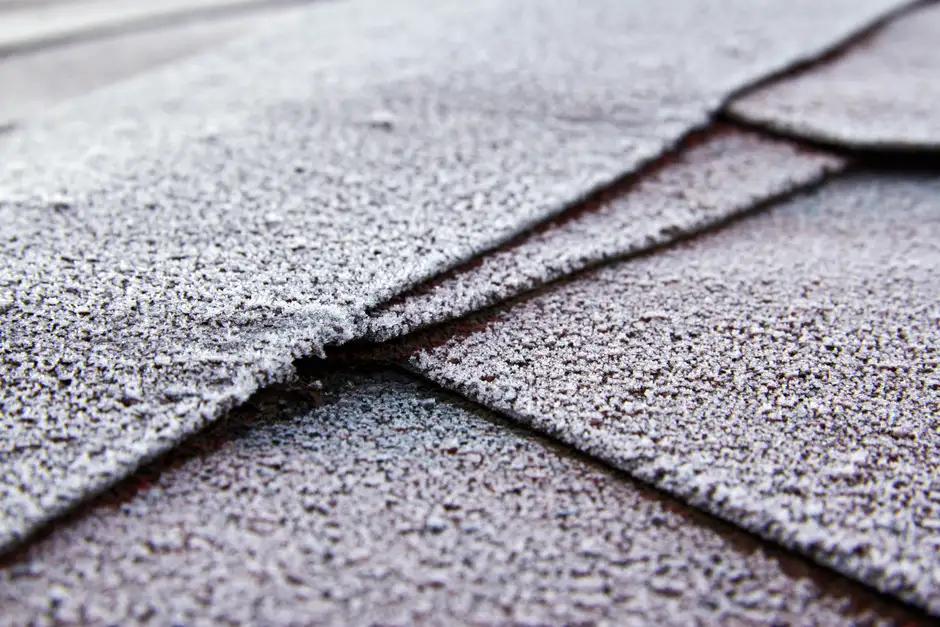
You can tell if your roof has hail damage in Conroe TX by looking for bruised or soft spots on shingles, dented metal vents and gutters, and fresh piles of asphalt granules in your downspouts. Hail damage almost never punches a clean hole through a shingle - it knocks the protective granule layer loose, which leaves the asphalt underneath exposed to Texas sun and rain. That is why a roof can look fine from the driveway and still be totaled from an insurance standpoint.
We are Conroe Shield Roofing, and we have climbed thousands of roofs across Montgomery County after spring and fall hail events. This guide walks you through what hail damage actually looks like, how to check your own roof safely from the ground, which Conroe neighborhoods get hit hardest, and when it is time to call in a pro before your claim window closes.
What Hail Damage Actually Looks Like on a Conroe Roof
Hail damage on a Conroe roof shows up as a cluster of soft, dark, or shiny spots where the shingle's granules have been knocked away by a falling ice stone. Hailstones in this part of Texas typically fall between 0.75 and 2 inches in diameter, and they hit at 60 to 100 mph on the way down. That is enough force to bruise the mat under an asphalt shingle without tearing it.
On a three-tab or architectural shingle, the impact point usually looks like a small round dent the size of a quarter or half-dollar. The granules are gone, the asphalt is exposed, and if you press on it with your thumb, the spot feels soft or spongy compared to the surrounding shingle. On newer shingles the damage can be almost invisible until the sun bakes the exposed asphalt for a few weeks and the spot turns dark brown or black.
Metal roofs tell a different story. You will see actual dents - small, circular, and often clustered on one slope. That matters because a dented metal panel is not just cosmetic; it can compromise the seam and lead to a metal roof repair conroe TX call sooner than you would expect. Soft metals like aluminum gutters and downspouts dent easily, which is one of the fastest ways to confirm hail actually hit your property.
What hail damage does NOT look like
Not every mark on your roof is hail. Blistering from attic heat looks like a raised bubble. Foot traffic from a previous repair leaves scuff marks. Wind damage lifts or tears shingles instead of denting them. If you are not sure which one you are looking at, that is exactly the kind of thing we sort out during a roof inspection conroe TX.
How Do I Know If My Roof Has Hail Damage in Conroe TX?
You know your Conroe roof has hail damage when you find at least three of these signs together on the same slope: bruised shingles, dented metal, granule loss, and cracked or loosened seals around vents and pipe boots. One sign alone can be a false alarm. Three or more on the same roof is a pattern, and patterns are what insurance adjusters pay for.
Here is the checklist we run on every hail inspection in Conroe:
- Bruised shingles - soft, dark, or shiny spots where granules are missing.
- Dented metal - ridge vents, pipe boots, valley flashing, gutters, and downspouts.
- Granule loss - fresh black grit collecting in gutters or at the bottom of downspouts.
- Cracked seals - the adhesive strip on each shingle tab has been broken by impact.
- Exposed mat - you can see the fiberglass mat through the shingle in a few spots.
- Soft spots - the shingle gives under light thumb pressure where it should be firm.
If you find three or more of those, do not climb up and start poking at them. Every time you touch a bruised shingle you knock more granules off, and you make the adjuster's job harder. Take photos from the ground with your phone zoomed in, note the date of the storm, and call a roofer.
What Does Hail Damage Look Like on a Roof in Conroe, Texas?
On a Conroe asphalt shingle roof, hail damage looks like a random scatter of small dark dents across one or two slopes - usually the west and south-facing sides, because that is where our biggest storms come from. The pattern is random, not uniform. If the marks are lined up in rows or spaced evenly, that is usually installation damage or foot traffic, not hail.
On a tile roof, hail cracks or chips the surface glaze and can break individual tiles. On a flat or low-slope roof, hail leaves circular dents in the membrane that you can feel with your hand but often cannot see from a ladder. That is one reason flat roofs need a hands-on inspection after every significant storm - a flat roof repair conroe TX is much cheaper when we catch the damage before water finds a seam.
Here is the part most homeowners miss: hail damage on a shingle roof in Conroe TX often does not leak for months. The granules are gone, the asphalt is exposed, and the sun does the rest. By the time you see a water stain on the ceiling, the damage has been sitting there through a full Texas summer. That is why we tell people to get the roof looked at within 30 days of a hail event, not after the first leak.
The Ground-Level Check You Can Do Today
You can confirm a lot about your roof without ever leaving the ground. Walk your property after the next storm and check these five things in this order.
- Look at your gutters and downspouts. Fresh black granules piled up at the bottom of a downspout are the single most reliable sign of hail damage on an asphalt roof.
- Check your AC unit and outdoor furniture. Dented condenser fins, dented patio tables, and chipped paint on the grill lid tell you the hail was big enough to damage a roof.
- Inspect the gutters themselves. Aluminum gutters dent easily. If yours are dimpled, the hail was significant.
- Look at your car. If your vehicles have dents, your roof almost certainly does too.
- Walk the yard. Broken tree branches and stripped leaves are normal, but if you find actual hail stones still on the ground, photograph them next to a ruler.
If two or more of those check out, get a professional on the roof. If you are in a neighborhood like roof repair in April Sound, where homes sit close together under mature oaks and pines, the tree canopy can hide damage from the street while the hail still hits the roof. We see that constantly.
Why Conroe Hail Storms Hit Some Neighborhoods Harder
Hail in Conroe is a hyper-local event. A storm that drops 1.5-inch stones on April Sound can leave downtown Conroe untouched, and vice versa. The hail core is often only 3 to 8 miles wide, which is why your neighbor's roof can be fine while yours is totaled.
Three things make certain Conroe properties more vulnerable:
- Roof age. Shingles older than 12 to 15 years lose granules faster and bruise more easily. A 20-year-old roof can take damage from a storm that barely touches a 5-year-old roof.
- Roof pitch and orientation. Steeper west-facing slopes catch more direct hail impact.
- Tree cover. Trees block some hail but also drop limbs that cause their own damage. We see a lot of combined hail-and-limb damage in the older, heavily wooded parts of the county.
If your roof is 15 years or older and you have just been through a hail event, the math usually favors a full roof replacement conroe TX over patching. We will give you a straight answer on which one makes sense once we are on the roof.
Common Mistakes Homeowners Make After a Hail Storm
The biggest mistake we see after a Conroe hail storm is waiting too long to file a claim. Most Texas homeowner policies have a one-year window from the date of loss to file, and some carriers shorten that to six months. Once that window closes, you are paying for the roof yourself.
Other mistakes we see every season:
- Climbing on the roof yourself. Hail-damaged shingles are brittle, and a fall is a much bigger problem than a damaged roof.
- Signing with the first door-knocker who shows up. Storm-chasers follow hail. Ask for a local address and a Texas roofing license before you sign anything.
- Letting a contractor "handle" the claim for you. You are the policyholder. You file the claim; the roofer documents the damage.
- Patching one slope. Hail rarely hits one slope and misses the rest. A patch on a damaged roof is a temporary fix at best.
- Throwing away the damaged shingles. Keep a few. Your adjuster may want to see them.
One more: do not assume your roof is fine because it is not leaking. Hail damage is a slow-burn problem, and the leak shows up 6 to 18 months later, usually after the claim window has closed.
When to Call a Professional
Call a professional the moment you have two or more confirmed signs of hail damage, or any time you are not sure what you are looking at. We do not charge for a hail damage inspection, and we will tell you honestly if your roof is fine - plenty of them are.
At Conroe Shield Roofing, we walk the roof, photograph every impact point, measure the hail size against a reference object, and hand you a written report you can send straight to your insurance carrier. If the damage is repairable, we handle the hail damage roof repair conroe TX and get your roof watertight before the next storm. If it is not, we walk you through the replacement process step by step.
We work hail claims in Conroe every week, and we know what adjusters look for. That experience is the difference between a claim that gets approved on the first pass and one that drags on for months.
Frequently Asked Questions
How do I know if my roof has hail damage in Conroe TX?
Look for three or more signs together: bruised or soft shingles, dented metal vents and gutters, fresh granules in your downspouts, and cracked seals around pipe boots. If you find that pattern on one slope, call a roofer for a free inspection. Do not climb up yourself.
What does hail damage look like on a roof in Conroe, Texas?
On asphalt shingles, it looks like small dark or shiny dents the size of a quarter, with the granules knocked off and the asphalt exposed underneath. On metal, it looks like clusters of circular dents. On tile, it looks like cracked or chipped glaze.
Who inspects roofs for hail damage in Conroe TX?
Licensed roofing contractors do the inspection, and most - including us - do it free after a storm. Your insurance adjuster inspects after you file the claim, but you want a roofer's documentation first so the adjuster has something to compare against.
Does insurance cover hail damage in Conroe TX?
Yes, in almost every case. Standard Texas homeowner policies cover hail damage to the roof as a sudden and accidental loss. You pay your deductible, the carrier pays the rest. File within your policy's window - usually 6 to 12 months from the storm date.
How long do I have to file a hail damage claim in Texas?
Most Texas policies give you one year from the date of loss, but some carriers shorten it to six months. Check your policy or call your agent. Once the window closes, the roof is on your dime.
Get Help With Roof Repair in Conroe
If you think your roof took hail this season, do not wait for the leak. We will get on the roof, document every impact point, and give you a straight answer on repair versus replacement - usually the same day you call.
Call Conroe Shield Roofing at (936) 305-7093 to schedule your free hail damage inspection.