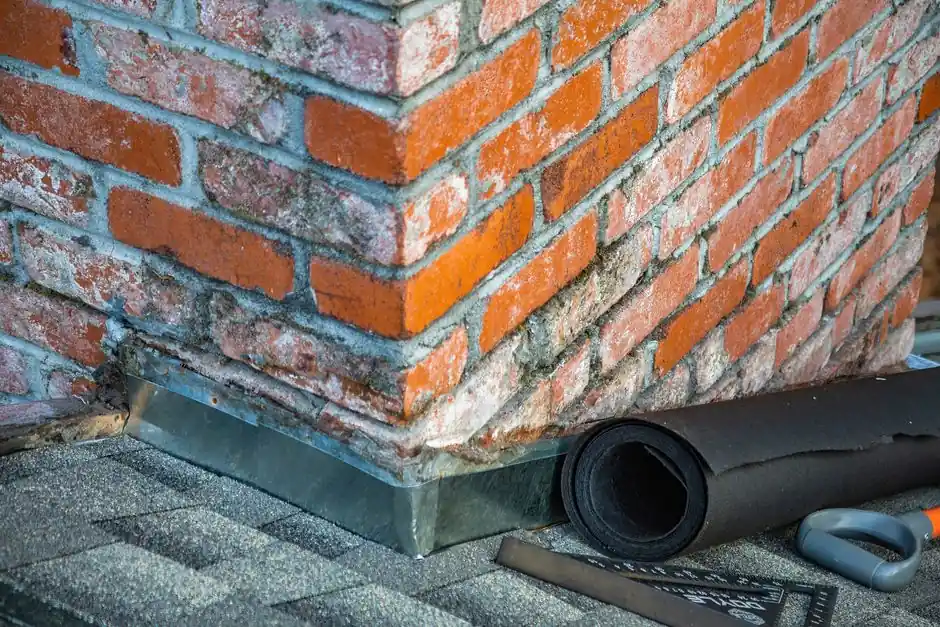
Rusted or corroded flashing metal
We remove the rusted flashing, inspect the deck for rot, and install new metal with fresh underlayment. If the deck is soft, we replace that section before the new flashing goes down.
Chimney flashing repair conroe TX homeowners can count on starts with finding the actual leak, not guessing at it. We pull the old rusted flashing, inspect the deck and masonry, then rebuild the seal with proper step and counter-flashing. If water is staining your ceiling around the chimney, we can stop it. Same-day estimates across Montgomery County.
Tell us what is happening. Our local team will confirm your visit shortly.
Call Now (936) 305-7093 → No spam. No obligation. Just practical help.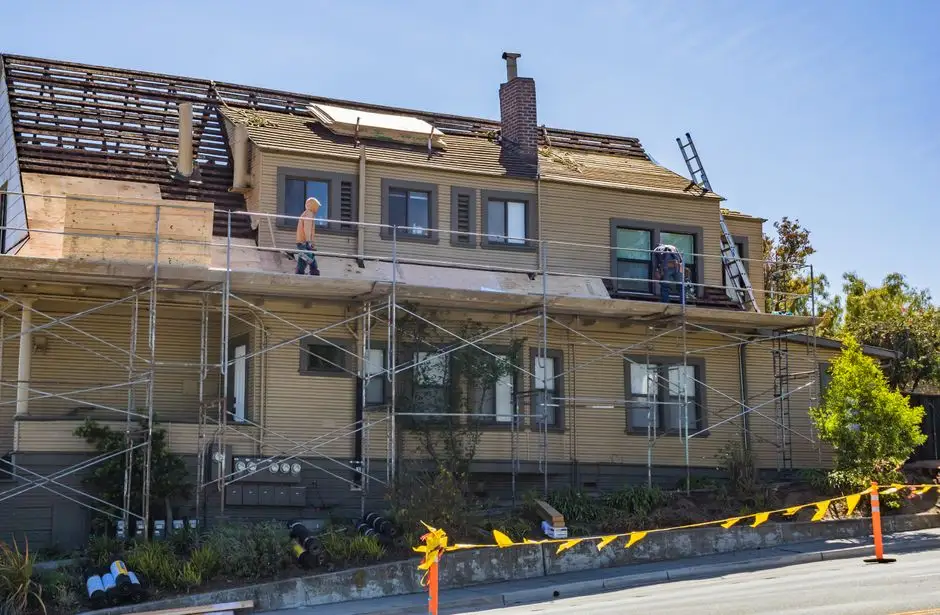
Chimney flashing is the layered metal system that bridges your roof surface and the chimney wall, and it is the single most common source of chimney leaks. Repair means removing failed step flashing, counter-flashing, and any rusted or lifted metal, then reinstalling new pieces woven into the shingle courses and sealed against the masonry. We also check the cricket, the underlayment beneath the flashing, and the shingles within three feet of the chimney, because water rarely stops where it starts.
Conroe sits in a hail and wind corridor, and the freeze events we get every few winters pry flashing loose at the fasteners. Most of the chimney flashing leak repair conroe TX calls we run come after a storm, when a homeowner notices a brown ring on the ceiling or water running down the firebox. Older brick chimneys in Downtown Conroe and Conroe Heights are especially prone, because the original flashing was often tar-based and has long since cracked.
Every chimney flashing repair starts with finding the actual leak and ends with a water test to prove it is fixed. Here is what is covered in a standard repair. If your job needs decking, shingles, or masonry work beyond the flashing, we quote that separately before we start.
We inspect the roof, attic, and chimney from all angles using a moisture meter and infrared camera. You get photos and a clear explanation of what failed and why. This takes 30 to 45 minutes and is included in the estimate.
We remove the old flashing and install new metal step flashing woven into the shingle courses, plus counter-flashing set into the masonry. We use metal that matches your existing roof where possible.
New ice and water shield goes under the flashing before the metal goes down. Every lap and fastener gets sealed with roof sealant rated for Texas heat. This is what keeps the repair watertight for years.
Replacing flashing means lifting shingles around the chimney. We re-weave them back into place and replace any that crack or tear during removal. We match your existing asphalt shingles as closely as possible.
We run water at the chimney to confirm the repair holds, then clean up all debris and check your gutters and downspouts. You get a written summary of the work and our workmanship warranty.
Call (936) 305-7093 or book online. We ask what you are seeing, when it started, and whether it followed a storm. Most estimates in Conroe are scheduled same-day or next-day. You get a text when the tech is on the way.
We walk the roof, check the flashing, cricket, and shingles around the chimney, then go inside the attic with a moisture meter and infrared camera. That takes 30 to 45 minutes. You get photos of what we find, not just a verbal description.
We lay out exactly what we will replace, what materials we will use, and the price before any work starts. If the flashing is fine and the leak is coming from a pipe boot or ridge vent, we tell you that instead. No surprise add-ons.
We remove the failed flashing, install new step and counter-flashing, weave it into the shingle courses, and seal every lap. Most chimney flashing repairs take two to four hours. We tarp the area if rain is coming before we can finish.
We run a controlled water test at the chimney to confirm the leak is stopped, then clean the gutters and downspouts of any debris we knocked loose. You get a workmanship warranty and a written summary of what was replaced.
Purpose-built equipment, used by trained technicians — so the job is done accurately the first time.
Confirms whether the deck and insulation are wet and helps us trace the leak path before we open anything up.
Shows temperature differences in the attic that reveal hidden moisture behind drywall and insulation, even when nothing looks wet.
Fastens shingles and flashing securely without overdriving nails, which is a common cause of leaks at the chimney.
Lifts shingles and flashing without tearing them so we can re-weave the repair into the existing roof.
Applies roof sealant in controlled beads at every lap and fastener. Clean sealant lines are what keep water out long-term.
Keeps our techs safe on steep pitches and two-story chimneys. We do not cut corners on fall protection.
Captures aerial photos of the chimney and roof for documentation, especially on steep or tall roofs we cannot walk safely.
The step flashing on a 1970s brick chimney was rusted through in three places. Water was dripping into the attic and staining the ceiling in the hallway below. The homeowner had patched it with tar twice with no luck.
We removed the rusted metal, replaced a 2-foot section of rotted decking, and installed new step and counter-flashing with ice and water shield underneath. The water test held dry. Total job time was three hours.
A hail storm in the spring knocked the counter-flashing loose on a two-story chimney. Water ran down the inside of the firebox during the next rain. The homeowner called us after seeing water on the hearth.
We reset the counter-flashing into the mortar joints, replaced the damaged step flashing, and sealed everything with new roof sealant. We also provided photos and measurements for the homeowner's insurance claim. The leak stopped immediately.
A 48-inch-wide chimney had no cricket, so water pooled behind it and leaked into the attic every time it rained hard. The original builder had tarred the seam, which had cracked and failed.
We built and flashed a proper cricket to divert water around the chimney, replaced the failed flashing, and installed new underlayment. The repair passed a 10-minute water test. The homeowner has had no leaks in eight months.
Most chimney leaks trace back to one of a handful of failure points. Here are the ones we see most often in Conroe and what happens if they are left alone.
Ask a pro →We remove the rusted flashing, inspect the deck for rot, and install new metal with fresh underlayment. If the deck is soft, we replace that section before the new flashing goes down.
We reset counter-flashing into the mortar joints and seal it properly. If the mortar is crumbling, we point those joints first so the flashing has something solid to hold.
We strip the old tar and sealant, repair the flashing underneath, and seal with roof sealant made for our temperature swings. No tar patches, no quick fixes.
We build and flash a proper cricket on wide chimneys so water sheds to the sides instead of sitting against the chase. That is a code requirement, not an upgrade.
“We had a brown stain spreading on the ceiling right next to the chimney for two months. Two other companies told us we needed a whole new roof. Conroe Shield came out, put a camera in the attic, and showed us the flashing was the only problem. They fixed it in an afternoon for under $600. No leak since.”
Marcus T.Homeowner, River Plantation
✓ Verified“After the hail storm last spring, water started running down the inside of our fireplace. I called on a Monday and they were on the roof Tuesday morning. They replaced the step flashing and counter-flashing, matched our shingles, and you cannot tell anyone was up there. They also gave us photos for our insurance claim.”
Dana R.Homeowner, Panorama Village
✓ Verified“Our chimney is on a steep section of roof, and the original flashing was tar-patched from years ago. Conroe Shield tore all of it out and did it right with new metal and ice and water shield. They water-tested it before they left. That was eight months ago and we have not seen a drop.”
Bill K.Homeowner, Woodforest
✓ VerifiedMost chimney flashing repairs in Conroe run $350 to $900, depending on chimney size, roof pitch, and how much shingle work is needed. A simple re-seal and counter-flashing replacement sits at the low end. Full step flashing replacement with new underlayment and shingles pushes toward the top. We give you a written price before we start.
Yes, and it is almost always repairable without replacing the chimney or the whole roof. We remove the failed metal, inspect the deck and masonry, and install new flashing woven into the shingle courses. The exception is when the chimney itself is crumbling or the deck is rotted through, which we will show you with photos.
Conroe Shield Roofing repairs chimney flashing across Conroe and Montgomery County. We are local, licensed, and insured, and we have been on Conroe roofs since 2012. Call (936) 305-7093 and we will schedule an inspection, usually same-day or next-day. We serve Downtown Conroe, River Plantation, Panorama Village, and the surrounding areas.
Most chimney flashing repairs take two to four hours on site. That includes removal, new flashing installation, sealing, and a water test. If the job requires new shingles around the chimney or deck repair, it can run into a second day. We tell you the expected timeline before we start so you can plan.
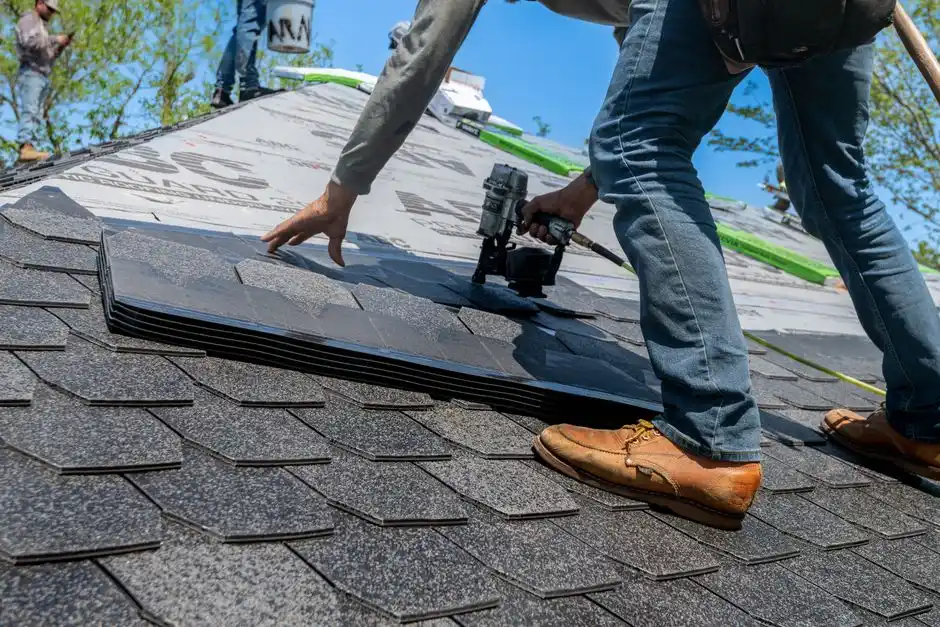 Roof RepairChimney flashing damage often comes with torn or lifted shingles nearby. We handle both in one visit so you are not paying two call-out fees for one leak.Explore →
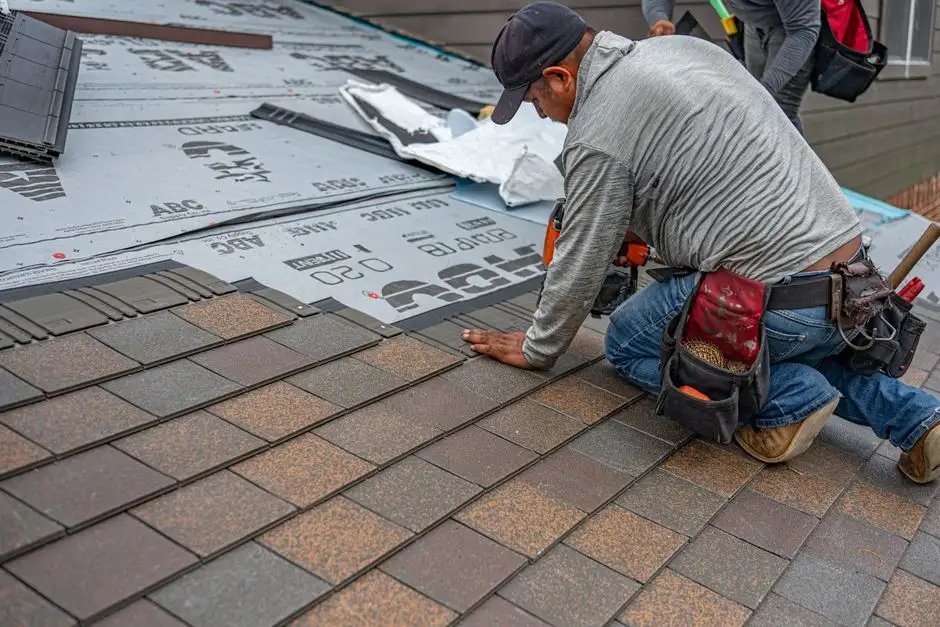 Roof Leak RepairIf water is showing up inside but you are not sure it is the chimney, we trace the leak with a moisture meter and infrared camera before we quote anything.Explore →
 Shingle Roof RepairReplacing chimney flashing means pulling shingles around the chase. We match your existing asphalt shingles and re-weave them so the repair disappears.Explore →
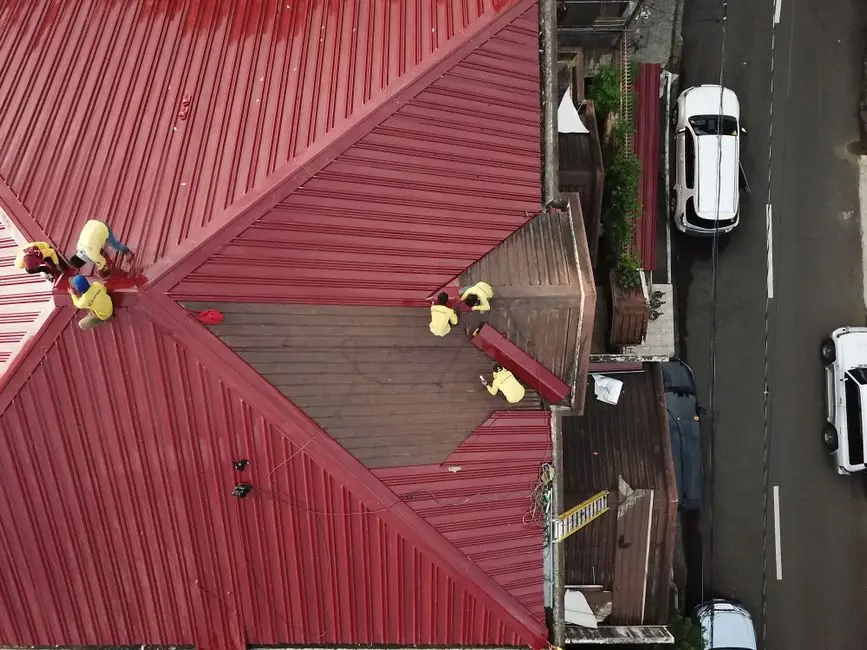 Metal Roof RepairMetal roofing panels need different flashing details than shingles. We seal and fasten chimney flashing on standing seam and exposed-fastener metal roofs.Explore →
 Flat Roof RepairFlat and low-slope roofs use TPO membrane or modified bitumen at the chimney. We rebuild those terminations so water cannot pond against the chase.Explore →
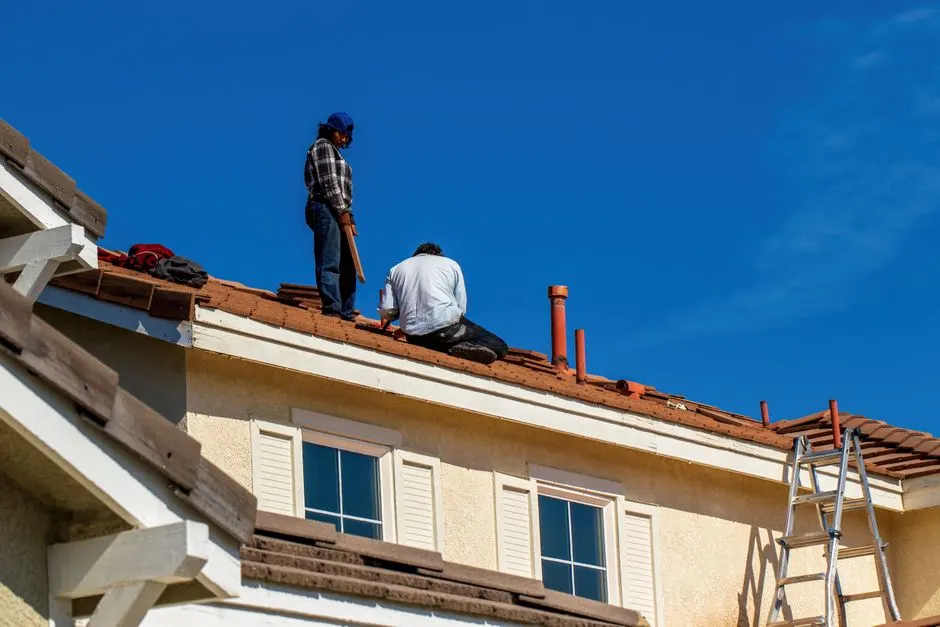 Tile Roof RepairClay tiles and concrete tiles crack when flashing is pried up wrong. We lift and reset tiles carefully and replace any that break during the repair.Explore →
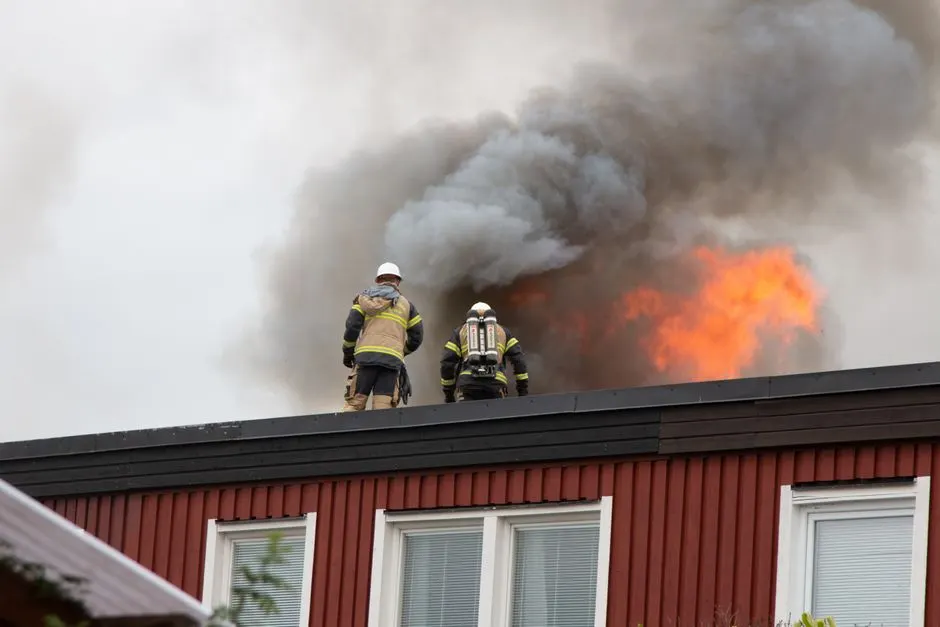 Emergency Roof RepairActive chimney leak during a storm? We tarp the area and stop the water first, then schedule the permanent flashing repair when the weather clears.Explore →
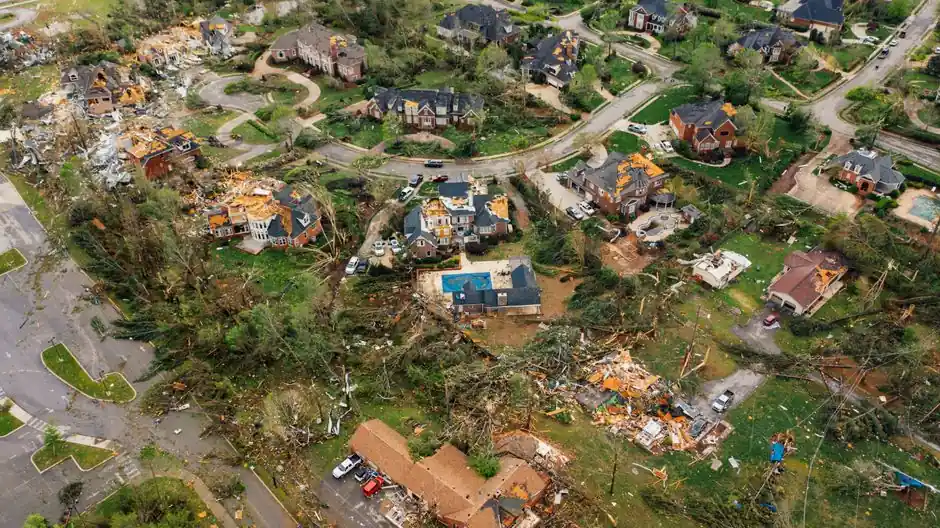 Storm Damage Roof RepairHail and wind tear flashing loose at the fasteners. We document the damage and repair it, and we can work directly with your insurance adjuster.Explore →
Water at the chimney does not fix itself, and every rain makes it worse. Call Conroe Shield Roofing at (936) 305-7093 for a same-day estimate. We are local, licensed, insured, and we warranty our workmanship. If it is actively leaking, tell us and we will prioritize you.
Book an estimate (936) 305-7093 →Call us at (936) 305-7093 or email info@conroeshieldroofing.com and we will get you scheduled. We answer 24/7 for emergencies and return non-urgent calls the same business day. Free estimates across Conroe and Montgomery County.